You don’t need expensive gear or years of experience to catch your first fish. Many beginners succeed with simple equipment and a bit of guidance—it’s much easier than it looks.
This page is built to give you the fastest, clearest path into fishing without the overwhelm. Instead of dumping too much information on you, we focus on what actually works: choosing the right basic gear, understanding where fish are, learning a few essential techniques, and avoiding common beginner mistakes. Whether you’re fishing from shore, a dock, or a small boat, this guide gives you a solid, practical starting point.
One key tip: spinning setups are the easiest option for beginners. They’re simple to use, less likely to tangle, and versatile enough for most fishing situations. That means you can spend less time struggling with gear and more time actually catching fish.
Think of this as your shortcut to getting started. No complicated jargon—just clear, actionable steps you can follow right away.
Follow these 4 steps and you’ll be fishing confidently in weeks.
Step 1: Know the Basics
Includes: License Guide, Fishing Spots, and Etiquette.
Before you cast your first line, make sure you’re fishing legally. This guide explains how to get your fishing license quickly, what it costs in most states, and why it’s required even for catch-and-release fishing.
From quiet local ponds to productive public lakes, learn simple free methods to locate fish-holding waters. Discover the best tools and apps that help beginners find reliable spots without wasting time.
Good manners make fishing more enjoyable for everyone. Learn the unwritten rules of the water — including how to behave around other anglers, proper fish handling, and how to leave no trace.
Not all times are equal when fishing. Learn the best times of day (dawn and dusk) and seasons when beginners have the highest chance of success, plus simple tips to read fish activity.
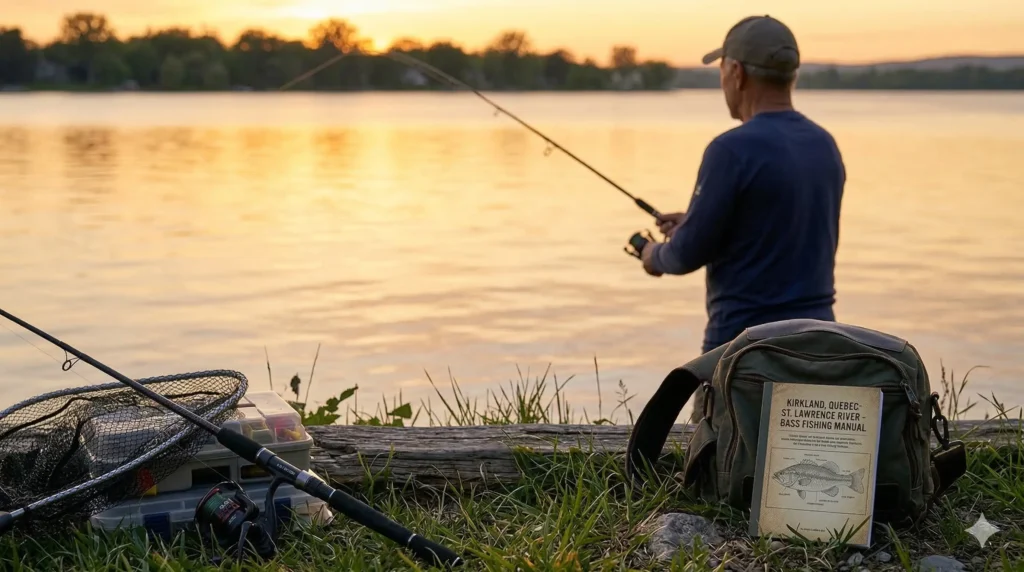
Step 2: Choose and Set Up Your First Fishing Gear
Quality gear doesn’t have to be expensive. We’ve hand-picked the best starter tackle to get you on the water today.

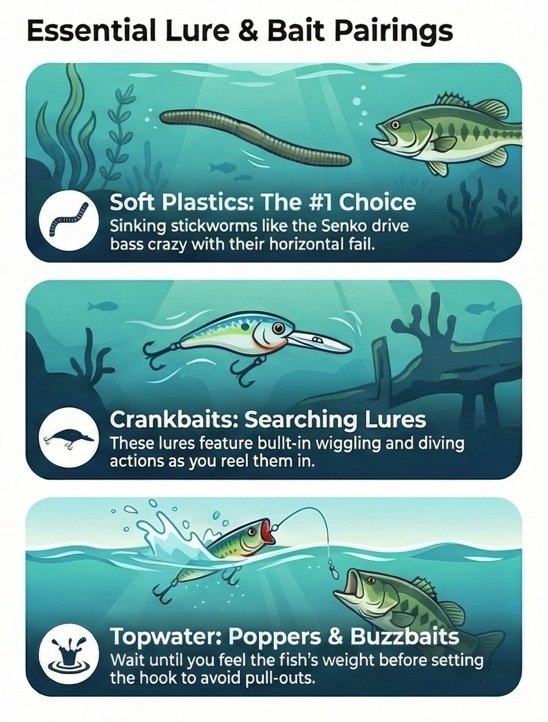
Step 3: Master the Essential Fishing Skills
Now that you have your basic gear ready, it’s time to learn the fundamental skills that turn beginners into confident anglers. These practical techniques will help you cast better, tie strong knots, handle fish properly, and avoid common rookie mistakes.
Learn the 3–5 essential fishing knots every beginner needs. This guide shows simple, reliable ways to tie line to hooks, lures, and leaders using easy step-by-step instructions.
Master the correct technique to cast your spinning reel smoothly and accurately. Learn the most common beginner mistakes and how to fix them for better distance and control.
Learn the proper way to handle and release fish without causing harm. This guide covers safe gripping techniques, quick unhooking tips, and responsible catch-and-release practices.
Avoid the top 10 mistakes that frustrate most new anglers. From gear setup errors to bad on-water habits, these practical tips will help you catch more fish right from the start.
Get practical tips for fishing from the bank or small ponds. Learn how to choose good spots, use simple rigs, and catch fish effectively without a boat.
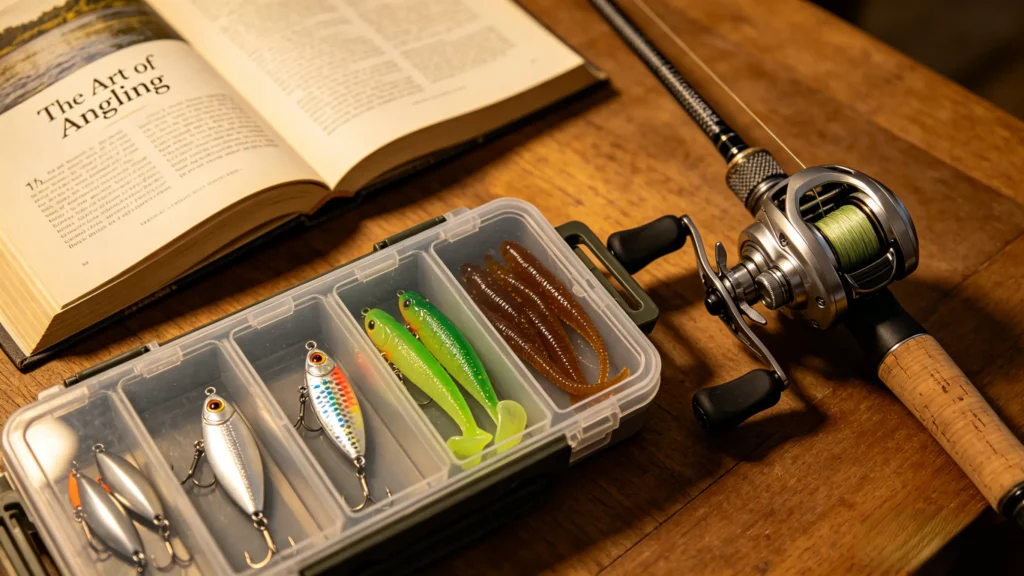
Step 4: Your First Fishing Trip – Practical Checklist
You’ve learned the basics, chosen your gear, and practiced the essential skills. Now it’s time to put everything together and head out for your first real fishing trip. This checklist will help you prepare confidently and make the most of your day on the water.
Make sure you have everything you need for a safe and successful outing. This guide includes a simple beginner packing list with must-have items and why each one matters.
Not sure where to fish for your first trip? Learn the best beginner-friendly locations — from local ponds and parks to easy-access shore spots — and how to choose the right one for your skill level.
Even experienced anglers have slow days. Discover practical tips to turn a fishless trip into a valuable learning experience and increase your chances next time.
Take advantage of days when you can fish without a license. This section lists free fishing events and days happening in 2026 to help you get started with zero cost.
Frequently Asked Questions (FAQ)
Q1: How much does it cost to start fishing?
A: While professional anglers spend thousands, a beginner can get a high-quality, reliable setup for under $100. By focusing on versatile gear and local public waters, you can enjoy fishing without breaking the bank. Check our Gear Reviews for the best value ecommendations.
Q2: Should I start with spinning or baitcasting?
A:Spinning is more friendly for the beginner.
Q3: What is the easiest fish for beginners to catch?
A: Panfish (like Bluegill or Sunfish) and Largemouth Bass are generally the best targets for beginners. They are widely distributed in ponds and lakes and tend to be aggressive biters. Using simple live bait or basic lures will increase your chances of success on your first trip.
Q4: What do I need to start fishing as a complete beginner?
A: To start fishing, you need three essential things: a valid fishing license, basic fishing gear (a spinning rod and reel combo, line, and hooks), and a productive location. Our Step-by-Step guide above breaks down exactly how to secure your permits and choose budget-friendly starter tackle like the Ugly Stik GX2.
Q5: Do I really need a fishing license for catch and release?
A: Yes. In most states and countries, you are required to have a valid fishing license even if you plan on releasing every fish you catch. Licensing fees support local conservation efforts and fish stocking programs. Always check your local wildlife agency’s regulations before heading out.
Q6: What is the best time of day to go fishing?
A: Generally, the best times to fish are early morning and late evening (dawn and dusk). Fish are typically more active during these “low light” periods when temperatures are cooler and they feel safer from predators.
Complete Beginner Fishing Guide Directory
- 10 Beginner Fishing Mistakes to Avoid in 2026
- Lure vs Live Bait: Which Should Beginners Use?
- How to Cast a Spinning Reel Without Backlash
- Bank Fishing in Ponds – Complete Beginner Guide
- Fishing Etiquette: Rules for Sharing the Water
- Best Fishing Apps to Find Spots Near You
- Fish Depth by Season: Simple Guide for Beginners
- Types of Fishing Lures Every New Angler Should Know
Next Steps
Ready for species-specific tactics? → Bass Fishing for Beginners: The Ultimate Start Guide