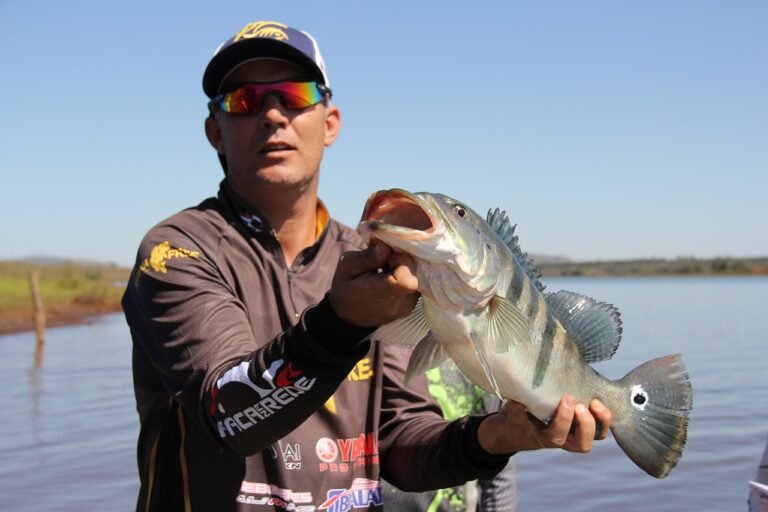
Fishing Tips:What bass eat and when?
Bass are voracious, opportunistic predators whose diet and feeding schedules are strictly governed by their biology, environmental conditions, and the need to manage energy efficiently.
What Bass Eat
The diet of a bass changes as it grows, beginning with plankton and small insect larvae when they are fry under two inches long. Once they reach adulthood, their menu expands to include almost any living creature they can swallow.
- Primary Forage: The staple diet for most black bass species consists of baitfish (such as shad, minnows, shiners, and perch), crayfish, frogs, and large insects.
- Species Preferences: While both species are opportunistic, Largemouth bass are known for ambush-feeding on bluegill, bullheads, and larger prey, while Smallmouth bass are famous for their love of crayfish. Interestingly, as Smallmouth grow larger, they become primarily piscivores, eating other fish at a ratio of 10-to-1 over anything else.
- Opportunistic Meals: Largemouth bass are often described as “gluttons” and will strike at baby ducks, mice, rats, snakes, baby beavers, salamanders, and turtles.
- Triggered Feeding: Bass are sensitive to the condition of their prey; they are often triggered to strike by the zigzag movement of a lure or the appearance of “blood” (simulated by red accents on a bait), which suggests a wounded and easy meal.
When Bass Eat
Bass behavior is cyclic and revolves around two major life events: feeding and spawning. Their activity levels are primarily dictated by water temperature and light conditions.
- Daily Patterns (Low Light): Bass have sensitive eyes and are generally light-sensitive, making dawn and dusk the prime feeding times. During the bright midday sun, they often retreat to deep water or heavy, shady cover like lily pads and docks to rest and digest.
- The Comfort Zone: Because they are cold-blooded, a bass’s metabolism is regulated by the water temperature. They are most active and feed most aggressively when the water is between 65°F and 85°F. When temperatures drop below 50°F, their metabolism slows significantly, and they eat very little.
- Seasonal Cycles:
- Spring: During the pre-spawn period (water temps 50-60°F), bass go on heavy feeding binges to build energy for the rigors of spawning.
- Summer: High temperatures can make them lethargic during the day, shifting their most active feeding to nighttime or the cool hours of early morning.
- Fall: As water cools into the 60s, bass enter a “hunting mode,” aggressively schooling to wipe out baitfish populations and fatten up for the winter.
- Weather and Environmental Triggers:
- Barometric Pressure: Bass often go on a feeding binge when the barometer is dropping before a storm or cold front.
- Rain and Wind: Light rain and wind create surface disturbances that lower light penetration and wash new food sources into the water, stimulating bass to feed.
- Current: In river systems or near dams, an increase in current acts like a “dinner bell,” positioning bass in ambush spots to catch prey being washed downstream.
- Insect Hatches: During prolific events like cicada, mayfly, or damselfly hatches, bass may ignore other food sources and focus exclusively on the insects at the surface.