How to Choose the Right Fishing Rod: Beginner’s Guide (2026 Update)
How to choose fishing rod for beginners 2026 starts with understanding that the right rod is the foundation of your fishing success—whether you’re dipping into a pond for panfish or targeting largemouth bass in heavy cover. The rod extends your arm, allowing you to cast accurately, feel subtle bites, set hooks solidly, and fight fish without breakage or fatigue.
In 2026, beginners benefit from durable, versatile, budget-friendly options like composite blends and spinning setups. This guide covers universal basics first, then focuses on bass fishing recommendations to help you build confidence fast.
Part 1: Universal Basics – How to Choose Fishing Rod for Beginners
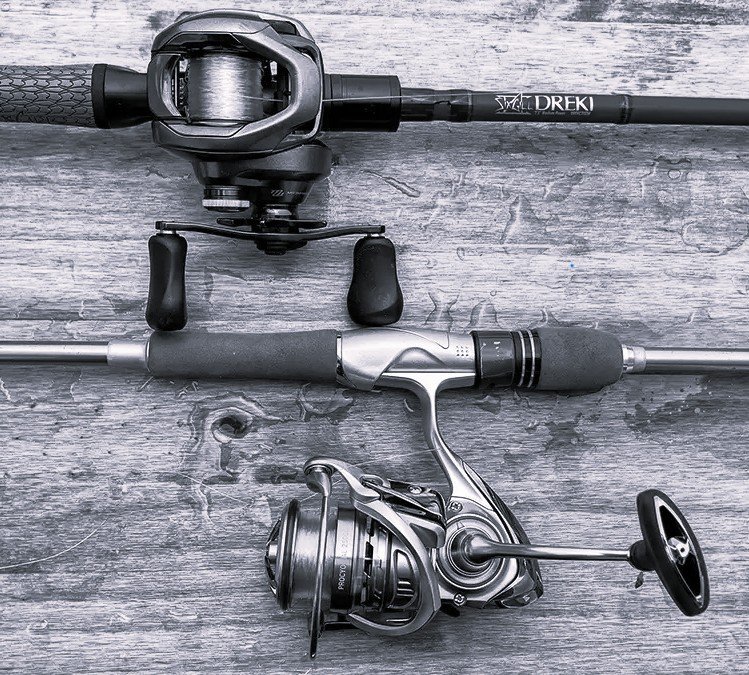
- Rod vs. Pole
Poles (8–16 ft, tip-fixed line) are simple for dangling bait nearby—no reel or casting. Rods (5–8 ft, with reel) enable long casts and depth control.
For beginners: Rods dominate 90%+ of fishing—start here for versatility. - Rod Type and Reel Matching
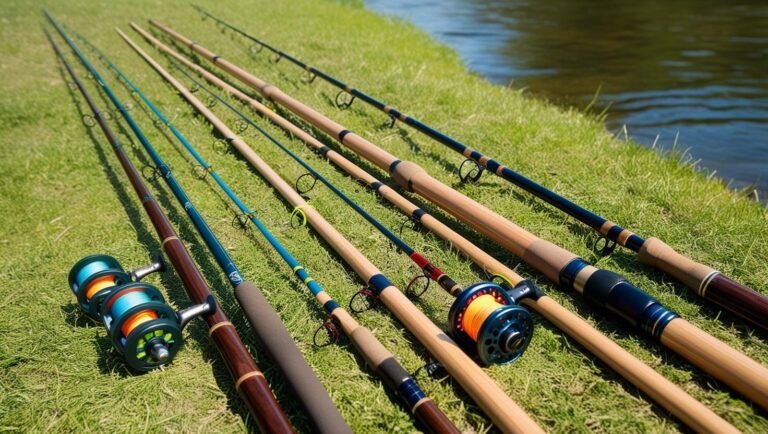
- Spinning Rods: Reel underneath; easiest to learn, great for light lures and accurate casts.
- Casting Rods (Baitcasting): Reel on top; more power/precision for heavier setups, but steeper learning curve.
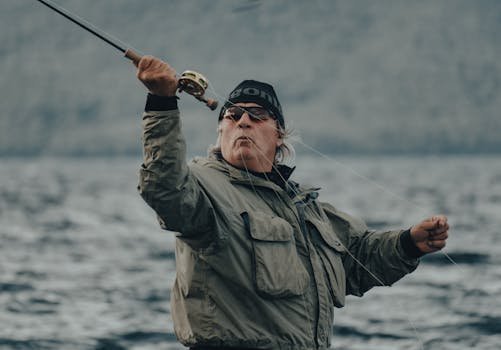
- Fly Rods: Specialized—skip unless fly fishing.
- Rod Action and Power
- Action (bend location):
- Fast: Tip bend → sensitive, quick hooksets.
- Moderate: Mid bend → balanced shock absorption.
- Slow: Full bend → cushions big fights.
- Power (stiffness): Ultralight (small fish) to Extra-Heavy (trophies). Match to target species and line/lure weight.
- Materials and Construction
- Fiberglass: Durable, flexible, affordable—heavier, less sensitive.
- Graphite: Light, sensitive—more brittle.
- Composite: 2026 favorite—blends sensitivity + toughness.
One-piece for max performance; multi-piece for travel.
- Balance – The Key to Success
Rod + reel + line + lure must match. Mismatched setups (e.g., tiny lure on heavy rod) cause poor casting and lost fish.
Common Beginner Mistakes: Buying too specialized (e.g., ultra-heavy for small fish) or undersized (losing big catches). Start forgiving to learn basics.
Part 2: Bass-Focused – How to Choose Fishing Rod for Bass Beginners 2026
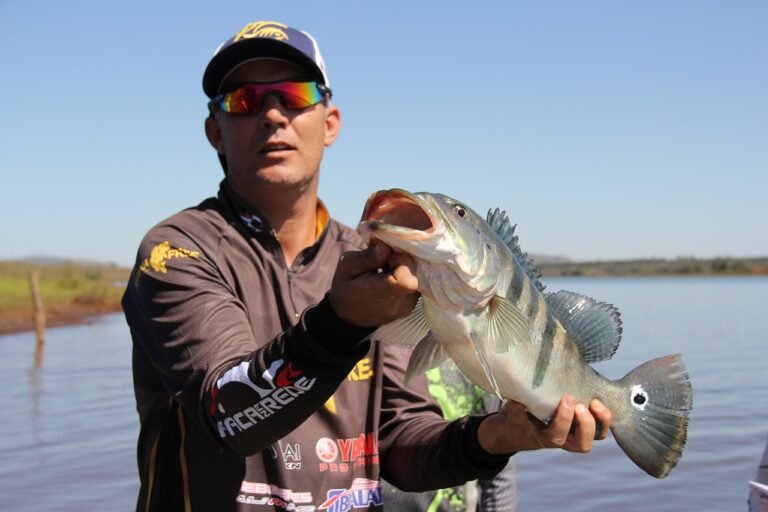
Bass (largemouth/smallmouth) need tough, versatile rods for weeds, cover, and aggressive strikes. 2026 trends favor 6’6″–7′ spinning rods in Medium/Medium-Heavy power.
Bass Rod Specs
- Length: 6’6″–7′ (distance + control).
- Power: Medium-Heavy (1/4–1 oz lures, 8–20 lb line).
- Action: Fast/Moderate-Fast (quick sets + flex).
2026 Beginner Recommendations
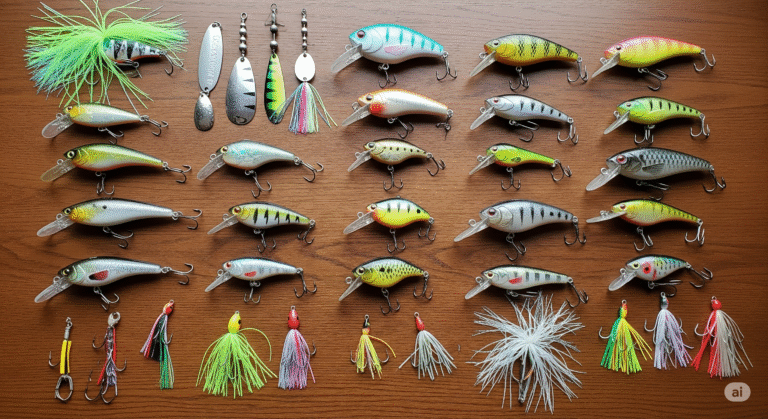
- All-Around Pick: 6’6″–7′ Medium-Heavy Spinning (composite/fiberglass-graphite). Covers spinnerbaits, crankbaits, Texas rigs.
- Top Budget: Ugly Stik GX2 ($59.95 rod / $79.95 combo, unbreakable, 10-Year Warranty)—ideal “beater” rod.
- Finesse Add-On: 6’6″–7′ Medium-Light Spinning for drop shots/Ned rigs.
Bass Technique Match Chart
| Technique | Power / Action | Length | Why It Fits Beginners |
|---|---|---|---|
| Texas Rigs / Jigs | Medium-Heavy / Fast | 7′ | Strong sets through cover |
| Crankbaits | Medium / Moderate-Fast | 7′ | Absorbs strikes, easy retrieve |
| Spinnerbaits | Medium-Heavy / Fast | 7′ | Power + quick response |
| Topwater | Medium-Heavy / Moderate-Fast | 7’–7’3″ | Cushions explosive hits |
| Finesse (Drop Shot) | Medium-Light / Fast | 6’6″–7′ | Subtle detection |
Pro Advice: Gear for biggest bass possible. Start spinning, upgrade to baitcasting later.
Ready to start? See our Ugly Stik GX2 Review 2026 .
FAQ
- How long should a beginner bass rod be? 6’6″–7′ for versatility.
- Spinning or casting first? Spinning—easier.
- Budget under $100? Ugly Stik GX2 combo.
- 📚 [Fishing Tips] — Fishing Tips for beginners.
- 📚 [Master the Basics] — Step-by-step for beginners.
- 🎣 [Choose Best Gear] — Expert reviews & top picks.
- 🐟 [Catch More Bass] — Pro tactics and spots.
- 🎣 [Back to Bass Fishing for Beginner Hub]