Start Your Bass Fishing Journey Here
For beginners, durability and value are key.
- Ugly Stik GX2 Rod Full Review
- Daiwa Aird – X Rod Full Review
- St. Croix Premier vs. Mojo Bass Comparison
Learn how to setup your gears like a pro.
what’s the pro’s advice and some hiden skill
- Texas Rig Setup & Guide
- Moving Baits 101: Spinnerbaits, Chatterbaits & Crankbaits
- Best Bass Lures for Beginners
- Types of Fishing Lures
Our Top Choice:Ugly Stik GX2 – The Indestructible Legend
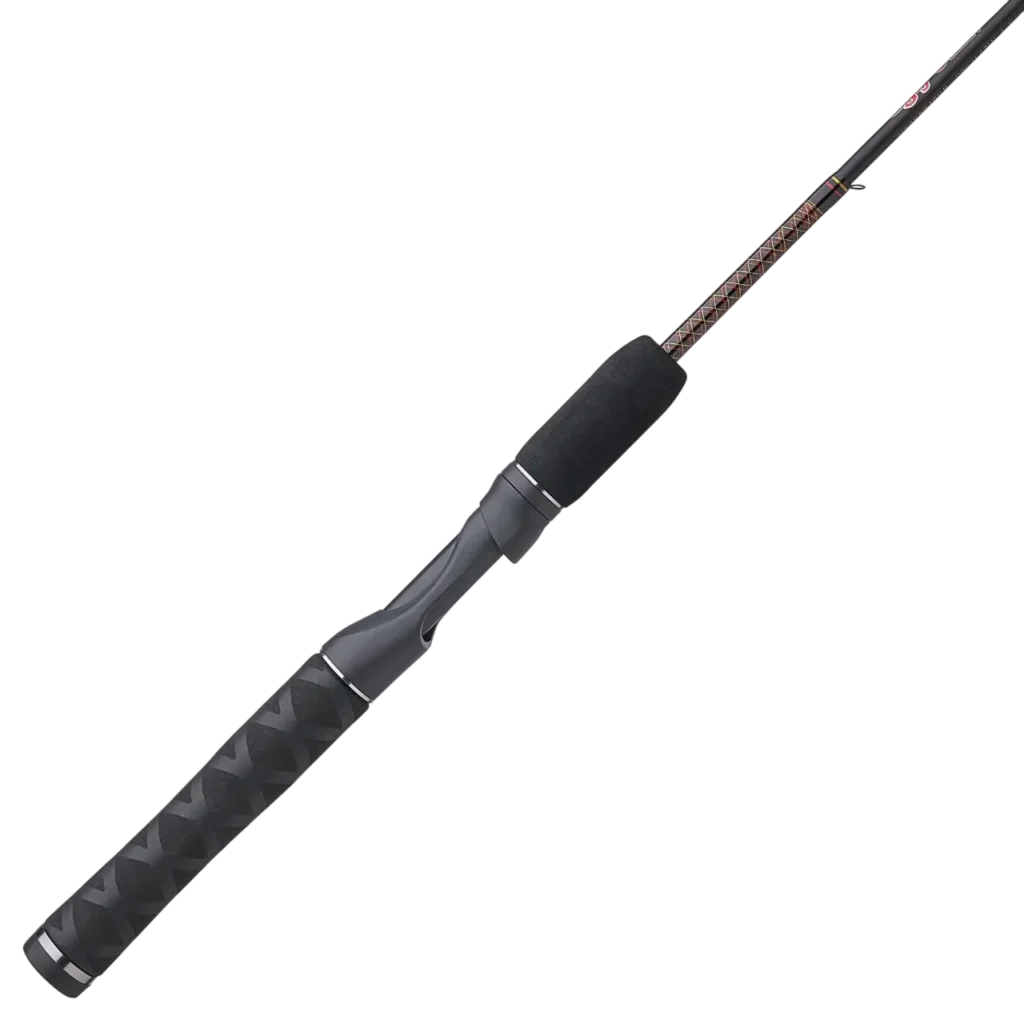

Over 50,000+ positive reviews worldwide.
- Virtually Indestructible Graphite/Fiberglass construction.
- Budget-friendly price point for new anglers.
- Sensitive “Clear Tip” design to detect every bass bite.
Deep Dive: Everything You Need to Know About the Ugly Stik GX2
Essential Bass Fishing Knowledge: A Deep Dive for Beginners
1. Bass Biology & Behavior
Understanding bass behavior is the foundation of becoming a successful angler, as it explains the “why” behind specific techniques. North American black bass, primarily Largemouth and Smallmouth, are sophisticated predators with distinct preferences. Largemouth bass are the most abundant and adaptable, typically residing in quiet, relatively shallow waters near thick cover like vegetation, logs, and stumps. In contrast, Smallmouth bass prefer clearer, cooler waters and are often found in rocky or sandy environments with moderate current.
A bass’s sensory organs are fine-tuned for the hunt. While they have excellent vision, it is most effective in clear water; in murky conditions, they rely heavily on their lateral line to detect even the slightest vibrations and water displacement from potential prey. Furthermore, bass possess chemoreception (smell and taste), using nostrils to interpret scents as positive or negative. While not as sensitive as catfish, they use this sense to locate feeding areas and spawning grounds, often holding onto “scented” baits longer.
Ready for more? Explore the detailed patterns in our latest guide:
Meet Your Opponents – Bass Biology, Behavior, and Sensory Systems for Beginners
2. Seasonal Bass Fishing Patterns
Bass are cold-blooded, meaning their metabolism and activity levels are strictly regulated by water temperature.
- Spring (Pre-spawn/Spawning): As water temperatures reach the mid-50s to low-60s, bass move into shallow areas to feed aggressively and prepare for the spawn. Largemouth seek wind-protected coves (2–5 feet deep), while Smallmouth often establish nests on main-lake shorelines or rocky flats.
- Summer: When water enters the 70s and 80s, larger bass often retreat to deeper water or seek dense shady cover (lily pads, docks, or submerged brush) to escape the intense sun. Prime feeding occurs during low-light periods at dawn and dusk.
- Autumn: As temperatures drop back into the 60s, bass go on a pre-winter feeding binge, following schools of baitfish toward the shallows to build energy reserves.
- Winter: During the coldest months, bass metabolism slows drastically, making them lethargic. To catch them, you must use slow presentations and smaller “finesse” baits that require minimal chase.
Next Step: Deep Dive into Seasonal Habits:
Seasonal Bass Behavior 2026: Where Largemouth, Smallmouth, and Spotted Bass Hide (Beginner Guide)
3. Understanding Cover & Structure
Mastering the art of “reading the water” involves distinguishing between structure and cover. Structure refers to the permanent physical features of the floor, such as sunken creek channels, reefs, drop-offs, and humps. These act as a “road map” for fish movement.
Cover, on the other hand, is the specific material located on that structure where fish hide to ambush prey or seek security. This includes aquatic vegetation (weed beds), fallen logs, rock piles, and man-made boat docks. Bass are “underwater accountants” that rarely roam randomly; they position themselves where the intersection of structure and cover provides the best comfort and access to food.
Click below link, Read more fishing tips:
Fishing Tips:Where bass live and why?
4. Essential Lure Types
Artificial lures are specialized tools designed to trigger a bass’s predatory instincts.
- Soft Plastics: These are arguably the most versatile baits because they feel natural, causing fish to hold on longer. The Texas Rig is the gold standard for fishing in heavy cover because the buried hook point makes it “weedless”. Stickworms (like the Senko) are famous for a “do-nothing” horizontal fall that entices inactive fish.
- Hard Baits: Crankbaits feature diving lips and are excellent “searching lures” used to cover large areas; success often comes from bumping them against bottom structure to trigger reaction strikes. Spinnerbaits are semi-weedless and highly effective in thick brush or timber. Topwaters, such as poppers or stickbaits used for “walking the dog,” create surface disturbances that provoke aggressive surface explosions.
Study best bass lure for beginners:
Best Bass Lures for Beginners: Simple Picks That Catch Fish.
5. Fishing Regulations & Etiquette
Ethical angling ensures that the sport remains viable for future generations.
- Licensing: In nearly all public waters, a fishing license is a legal requirement; these funds directly support the maintenance and improvement of fisheries.
- Catch and Release: This practice is a vital conservation tool, especially for trophy fish like bass. To ensure a fish’s survival, handle it only with wet hands to protect its slime coat, minimize the duration of the “fight” to prevent exhaustion, and use needle-nose pliers to remove hooks quickly.
- Etiquette: Practice ramp courtesy by having your gear ready before reaching the launch. On the water, show respect by not crowding other anglers—give shore fishermen a wide berth and never cast over another person’s line.