Fishing Line for Beginners: How to Choose the Right Type, Strength, and Color for Bass
In the pursuit of bass, your fishing line is the actual link between the angler and the fish, and its selection should never be taken lightly. To be a successful bass angler, you must match the right type, strength, and color of line to your specific tackle and the “job” you are performing on the water.
If you’re just starting out, this guide will help you cut through the confusion. For a complete overview of all beginner gear, see our Bass Fishing for Beginners: Complete Start-Up Guide.
In This Guide
- The Three Primary Types of Bass Line
- The Concept of Balanced Tackle
- Selecting the Right Color
- Line Maintenance and Field Care
- Quick Picks: Best Lines for Beginners
- Frequently Asked Questions
The Three Primary Types of Bass Line
Modern anglers typically choose between three main categories of line, each offering distinct advantages depending on the environment and technique.
Monofilament (Nylon)
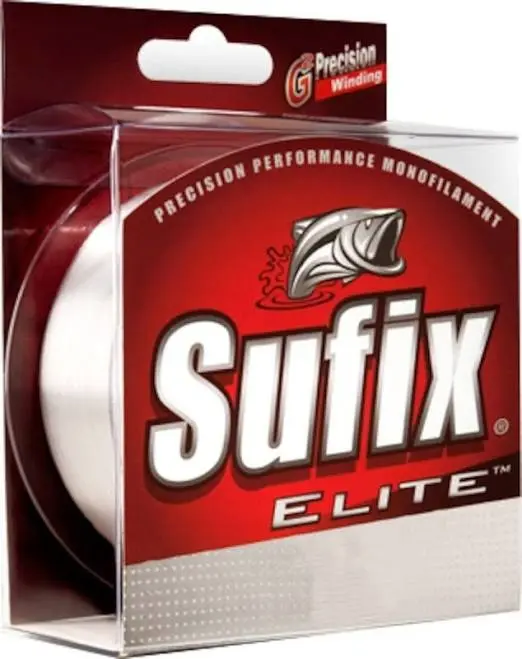
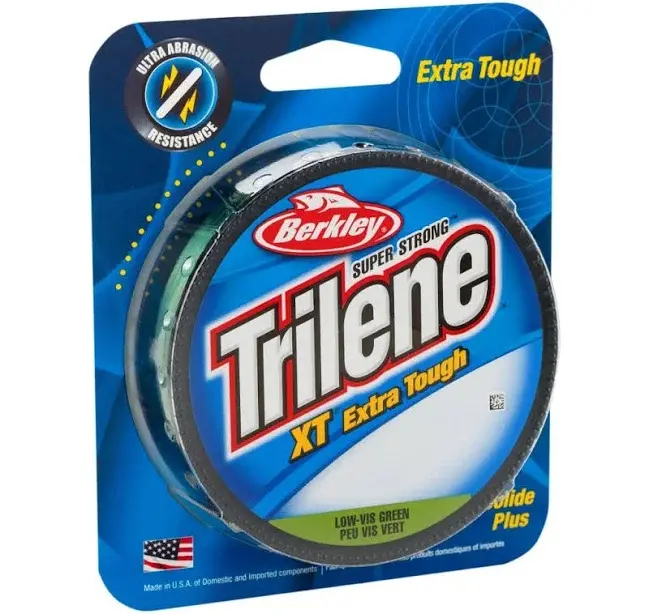
This is the most widely used line and an excellent choice for beginners because it is inexpensive, flexible, and easy to handle. Monofilament has some stretch, which acts as a shock absorber when a large bass strikes, but it is susceptible to damage from excessive heat and direct sunlight.
Best for: General-purpose fishing, crankbaits, topwater lures. Learn more about monofilament vs. braid.
Superlines (Braided Line)
These consist of gel-spun polyethylene fibers braided together. They are significantly stronger than monofilament of the same diameter, have almost no stretch, and are extremely sensitive, allowing you to feel subtle “ticks” from inactive fish. Braided line is the “king” for fishing in heavy cover, weeds, or “watery salad” because its strength allows you to horse big bass out of thick vegetation.
Best for: Heavy cover, flipping/pitching, frogging, and when you need maximum sensitivity. See our guide to fishing in heavy cover.
Fluorocarbon
This line is denser and heavier than standard nylon, making it nearly invisible underwater. While it is highly abrasion-resistant, it has more “memory” (springiness) and is less forgiving if knots are tied poorly. It is the premier choice for finesse techniques like drop shotting in clear water.
Best for: Clear water, finesse presentations, and when bass are line-shy. Learn how to tie a Palomar knot for fluorocarbon.
📖 Learn more: Mono vs. Braid vs. Fluorocarbon: Complete Comparison
The Concept of Balanced Tackle
A fundamental rule of angling is to balance all components of your outfit. Your line must match the action of your rod and the size of your reel to cast and retrieve efficiently.
| Rod Action | Recommended Mono/Pound Test | Target Scenario |
|---|---|---|
| Ultralight | 2–6 lb test | Small bass/panfish |
| Light | 4–8 lb test | Finesse fishing/smallmouth streams |
| Medium | 10–15 lb test | General-purpose bass fishing |
| Heavy | 15–25 lb test | Big bass in thick cover or snags |
For advanced setups, anglers often use “top shotting,” which involves loading the reel with braid for capacity and sensitivity, then joining it to a “top shot” or leader of monofilament or fluorocarbon for abrasion resistance near the hook.
Choosing the right line starts with choosing the right rod. See our How to Choose a Bass Fishing Rod guide to make sure your rod, reel, and line work together as a balanced system.
📖 Learn more: How to Choose a Fishing Rod | Best Spinning Reels for Beginners
Selecting the Right Color
While experts debate if line visibility spooks fish, a disciplined approach involves matching line color to water clarity:
- Clear water: Use clear line (fluorocarbon or clear mono) to remain stealthy.
- Stained water: Use green line to blend into the environment.
- Dingy/Muddy water: Fluorescent blue is effective because it allows the angler to see slight line “jitters” or twitches that signal a bite in low-visibility conditions. High-vis yellow braid is also popular for detecting subtle strikes.
📖 Learn more: Lure Color Science: How Fish See Lures Underwater
Line Maintenance and Field Care
Using fresh, high-quality line is a key to success; a battle with a trophy fish is no time to worry about gear failure.
- Check for damage: Every few minutes, run the last few feet of line between your thumb and forefinger. If you feel a nick or rough spot caused by rocks or brush, clip the line above the damage and retie your lure. Common line problems and fixes.
- Fight the “Memory”: Monofilament stored on a reel for long periods can develop coils like a “slinky”. You can soften the line and eliminate these coils by soaking the spool in a bowl of water for a few hours before your trip.
- Manage Your Drag: Always set your reel’s drag below the rated break strength of your line. A common “best guess” is to set it at half the rated strength (e.g., 4 lbs of pressure for 8 lb test line) to provide a margin for error against powerful runs. How to set your spinning reel drag.
Quick Picks: Best Lines for Beginners (2026)
| Line Type | Top Pick for Beginners | Best Use |
|---|---|---|
| Monofilament | Trilene XL Smooth Casting (10 lb) | All-around starter line, easy to tie, forgiving |
| Braid | PowerPro Spectra (20 lb, 6 lb diameter) | Heavy cover, frogs, when you need sensitivity |
| Fluorocarbon | Seaguar Red Label (8–12 lb) | Clear water, finesse techniques, bottom contact |
For a full breakdown of budget and performance options, see our Best Fishing Line for Beginners (2026) guide.
Frequently Asked Questions
Q: Can I use braid as a beginner?
Yes, but braid requires more attention. It has no stretch, which means you’ll feel everything—including the need to set your drag looser to avoid pulling hooks. It’s excellent for heavy cover, but many beginners start with monofilament for its forgiveness. Learn the pros and cons of each line type.
Q: What line should I put on my first rod?
Start with 10 lb monofilament. It’s affordable, easy to tie, and versatile enough for most beginner bass fishing situations. Pair it with a medium-power spinning rod for the best all-around setup. See our complete starter gear guide.
Q: How often should I change my fishing line?
Monofilament and fluorocarbon should be replaced at least once a year, or more often if you fish frequently. Braid can last several years but should be checked for fraying. Always replace line if you feel nicks or see abrasions.
Q: Do I need a leader with braid?
In clear water, adding a fluorocarbon leader (about 3–6 feet) can make your presentation less visible to fish. In heavy cover or murky water, tying braid directly to the lure is common. How to tie a leader with the FG knot.
Next Steps for You
- 🎣 How to Spool a Spinning Reel – Step-by-step guide for loading line correctly
- 🪢 Easiest Fishing Knot for Beginners (Palomar) – 90-second tutorial
- 🐟 Best Bass Lures for Beginners – What to tie onto your new line
- 📘 Bass Fishing for Beginners: Complete Start-Up Guide – Everything you need to know
By treating your line as a specialized tool and switching to lighter, thinner line when fish are “skittish” or inactive, you shift your strategy from relying on luck to utilizing scientific observation.