Bass Fishing for Beginners: Complete Start-Up Guide (2026)
Bass fishing is one of the most rewarding and accessible outdoor sports, offering a perfect way to connect with nature while building lifelong skills. Success in this sport comes from understanding fish habits, choosing durable gear, and presenting bait naturally. This 2026 guide provides everything a beginner needs to move from zero experience to confident proficiency on the water.
New to fishing? Start with Step 2 (gear), then Step 4 (baits), and head to your local pond.
In This Guide
- 1. Understanding Your Target: Largemouth vs. Smallmouth
- 2. The Essential 2026 Gear Kit
- 3. Essential Rigs and Knots
- 4. Baits and Lures for Success
- 5. Strategy: Reading the Water and Stealth
- 6. Ethics, Safety, and Budget
1. Understanding Your Target: Largemouth vs. Smallmouth
To catch bass, you must first understand where they live and how they behave.
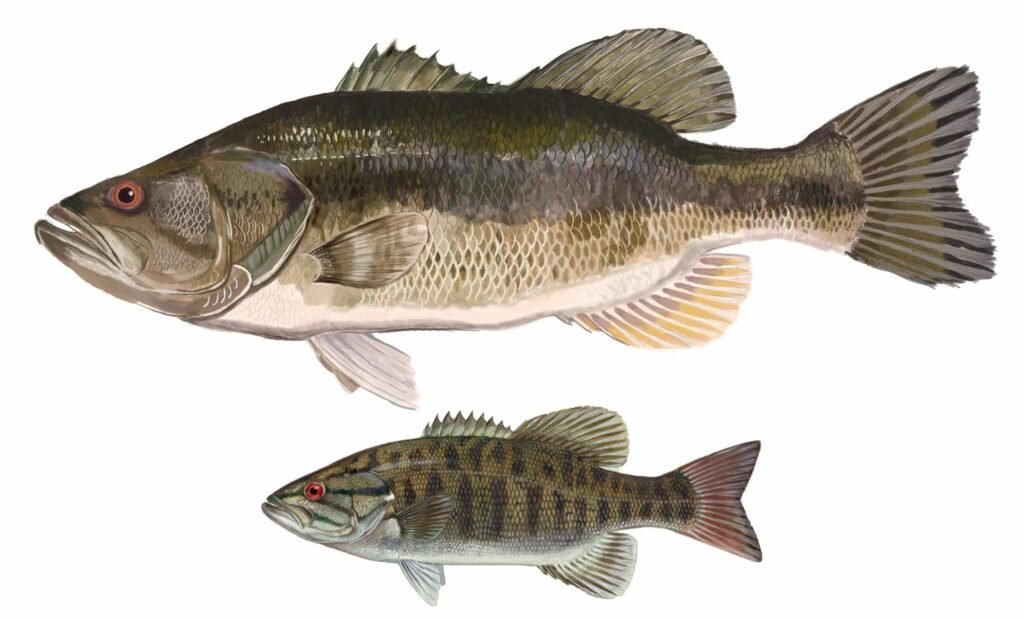
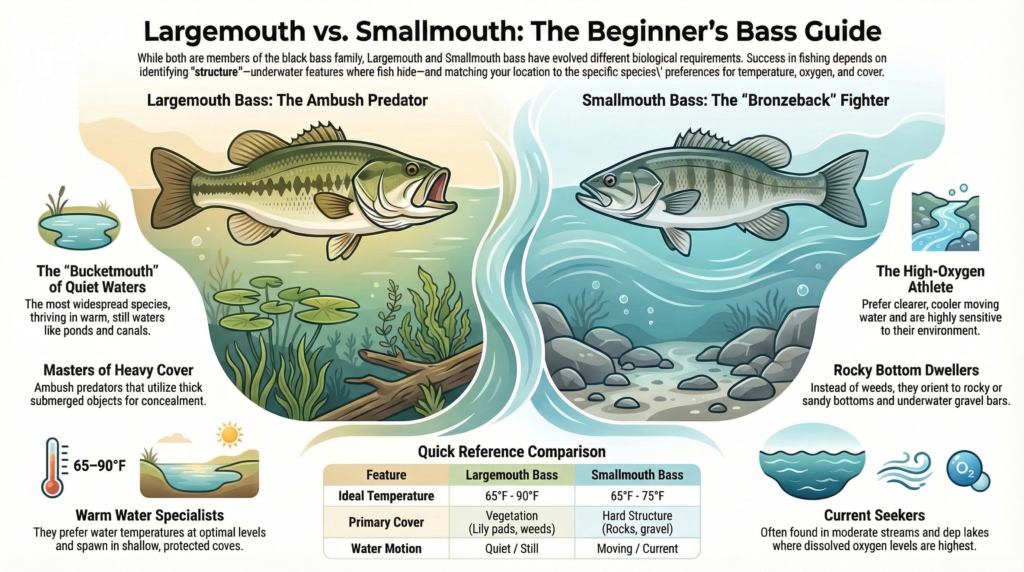
- Largemouth Bass: These are primary targets for beginners because they are abundant in quiet, shallow lakes and rivers. They are solitary predators that ambush prey near “structure” like weeds, logs, rocks, and docks.
- Smallmouth Bass: These fish prefer clearer, cooler, and rockier areas with current. While they fight harder than largemouth, they are excellent for beginners looking to build their angling skills.
- Starter Species: Beginners are often encouraged to practice casting and hooksets on Sunfish (Bluegill) before targeting bass, as they are aggressive feeders in shallow water.
Learn more: Largemouth vs. Smallmouth Behavior | Seasonal Bass Patterns
2. The Essential 2026 Gear Kit
You do not need an expensive “mini-lab” of equipment to start; you only need the “Big Three”—a rod, a reel, and a line.
- The Rod: A 6′ to 6’6″ medium-power spinning rod is the ideal choice for beginners. The top recommendation for 2026 is the Ugly Stik GX2, valued for its legendary durability, 10-year limited warranty, and “Clear Tip” design for bite detection. Read our full Ugly Stik GX2 review.
- The Reel: A spinning reel is preferred over more complex baitcasters because it is easier to use and excellent for light lures. Budget-friendly options under $50, such as the Shimano Sienna FG, offer reliable performance. See our Best Spinning Reels Under $50 guide.
- The Line: Start with 8–10 lb test monofilament line. It is inexpensive, easy to tie, and more forgiving than advanced lines like fluorocarbon or braid. Compare options in our Fishing Line for Beginners guide.
Quick-Start Gear Checklist
| Item | Recommended for Beginners | Learn More |
|---|---|---|
| Rod | Ugly Stik GX2 (6’6″ Medium) | Full Review |
| Reel | Shimano Sienna FG (2500 size) | Best Reels Under $50 |
| Line | 10 lb monofilament (Trilene or Stren) | Fishing Line Guide |
| Lures | Senko worms, spinnerbait, crankbait | Best Bass Lures for Beginners |
| Terminal | 3/0 offset hooks, bullet weights | Texas Rig Setup |
Learn more: Best Bass Fishing Rods for Beginners | Ugly Stik GX2 Complete Guide | How to Choose a Fishing Rod
3. Essential Rigs and Knots
A “rig” is simply the way you present your bait to the fish.
- The Texas Rig: Known as a “bass killer,” this setup uses a bullet weight and an offset hook to make a soft plastic worm “weedless,” allowing it to slip through thick grass and rocks without snagging. Step-by-step Texas rig guide.
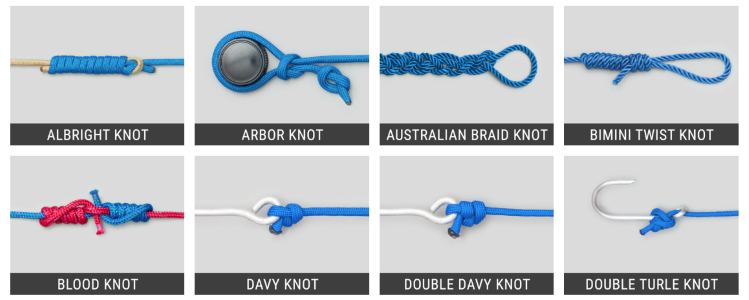
- Essential Knots: Beginners should master the Palomar Knot, which is the strongest and easiest to tie, or the classic Improved Clinch Knot for securing hooks and lures. How to tie a Palomar knot.
Learn more: Easiest Fishing Knot for Braided Line | Texas Rig Step by Step
4. Baits and Lures for Success
While live worms (nightcrawlers) are a universal starter bait, bass fishing often involves artificial lures.
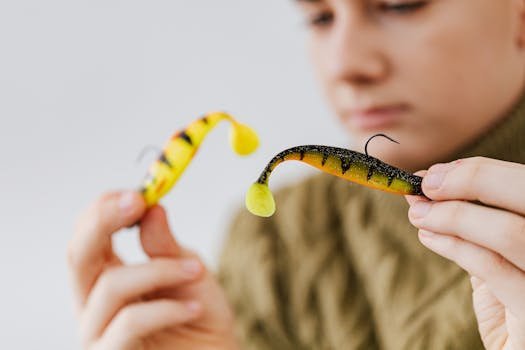
- Soft Plastics: 4–7 inch plastic worms or “Senkos” are highly effective when Texas-rigged. They are part of our Best Bass Lures for Beginners list.
- Spinners: These lures flash and vibrate in the water to attract bass and are simple to use—just cast and reel. Learn more in our Moving Baits 101 guide.
- Crankbaits: These wiggle on the retrieve and are designed to dive to specific depths where bass may be hiding. See how to choose a crankbait rod.
Learn more: Best Bass Lures for Beginners | How to Use a Spinnerbait | Crankbait Rod Selection Guide
5. Strategy: Reading the Water and Stealth
The “Golden Formula” for success is: Right Bait + Right Place + Right Time.
- Where to Fish: Look for shade, current breaks, and drop-offs. Bass spook easily, so a quiet approach without casting shadows over the water is essential. Bank fishing tips for beginners.
- Timing: The best times to fish are generally dawn and dusk from spring through fall.
- Seasons: Fish change depth based on water temperature and oxygen levels; in warmer months, largemouth thrive in weedy shallows, while smallmouth prefer rocky points. Check our Seasonal Bass Behavior Guide.
Learn more: Mastering Bank Fishing in Ponds | Where to Find Bass by Season | How to Read Water for Bass
6. Ethics, Safety, and Budget
A complete starter setup, including a rod/reel combo, line, hooks, and bait, can be assembled for under $100. However, before hitting the water, every angler must:
- Get a License: Check local state or provincial regulations, as a fishing license is mandatory. Fishing License 101: What Beginners Need to Know.
- Prioritize Safety: Always wear a Personal Flotation Device (PFD), especially when fishing from a boat or with children.
- Practice Conservation: Use “Catch & Release” by wetting your hands before touching fish and avoiding contact with their gills or eyes. See Fishing Etiquette and Conservation Tips.
Learn more: Fishing License 101 | Catch and Release Best Practices
Frequently Asked Questions
Q: Do I need a fishing license to fish for bass?
Yes. In most states and provinces, a valid fishing license is required for anyone over a certain age (usually 16). Check your local regulations before heading out. Read our Fishing License 101 guide for details.
Q: What is the easiest lure for a complete beginner?
A soft plastic stick bait (Senko) is often the easiest. You simply cast it out, let it sink, and watch your line. No complex retrieve is needed. See our Best Bass Lures for Beginners for more options.
Q: Can I use the same rod for bass and other fish?
Yes. A 6’6″ medium-power spinning rod is versatile enough for bass, panfish, and even smaller catfish. It’s a great all-around choice. Learn more about choosing a rod.
Q: How much should I spend on my first setup?
You can get a reliable starter setup (rod, reel, line, and a few lures) for under $100. Focus on durable gear like the Ugly Stik GX2 and a quality budget reel. See our full budget breakdown.
Ready to Start? Here’s What to Do Next
- 🎣 Choose Your First Rod – Best beginner rods reviewed
- 🐟 Pick Your First Lures – Simple picks that catch fish
- 🔄 Spinning vs. Baitcaster – Which reel is right for you?
- 🧵 Spool Your Reel Correctly – Step-by-step guide
- 📍 Find a Fishing Spot – Bank fishing tips for beginners
- 📍 Back to Bass Fishing for Beginner Hub
By focusing on these fundamentals and choosing durable, simple gear, you can stop sitting on the sidelines and start making memories on your first bass fishing adventure.